
An American Story began as a journey through the private photographs of ordinary Americans: families, vacations, celebrations, road trips and the small moments of everyday life preserved on film.
As the collection grew, we realized that one part of that story was missing: Americans travelling beyond their own borders and photographing the world.
We began looking for these images – American tourists discovering France, Italy, the United Kingdom and destinations farther from home. That search eventually led us to an unusual collection: several hundred medium-format color slides, apparently made during travels across the Middle East and Asia in the early 1970s.
From the beginning, this collection felt different.
These were not conventional vacation snapshots. The photographer was travelling with a medium-format camera – hardly the most convenient companion for a journey through such a vast number of countries. His photographs revealed patience, technical confidence and, above all, a remarkably consistent way of looking at the world.
We didn’t know his name. We knew almost nothing about him.
But we had his photographs.
Revealing the Photographs
The collection contained approximately 700 medium-format Ektachrome slides. We began the slow process of viewing them on a light table, sorting them, and scanning them one by one with our beloved Nikon medium-format film scanner.
For An American Story, we would normally select only around five to ten percent of the photographs from a collection, unless it documents a unique subject. Most family archives inevitably contain repetitions, poorly exposed frames and images whose meaning disappeared with the people who made them.
This collection was different.
As we moved across the light table, frame after frame demanded our attention. Portraits. Markets. Children. Street scenes. Architecture. Landscapes. Moments of everyday life.
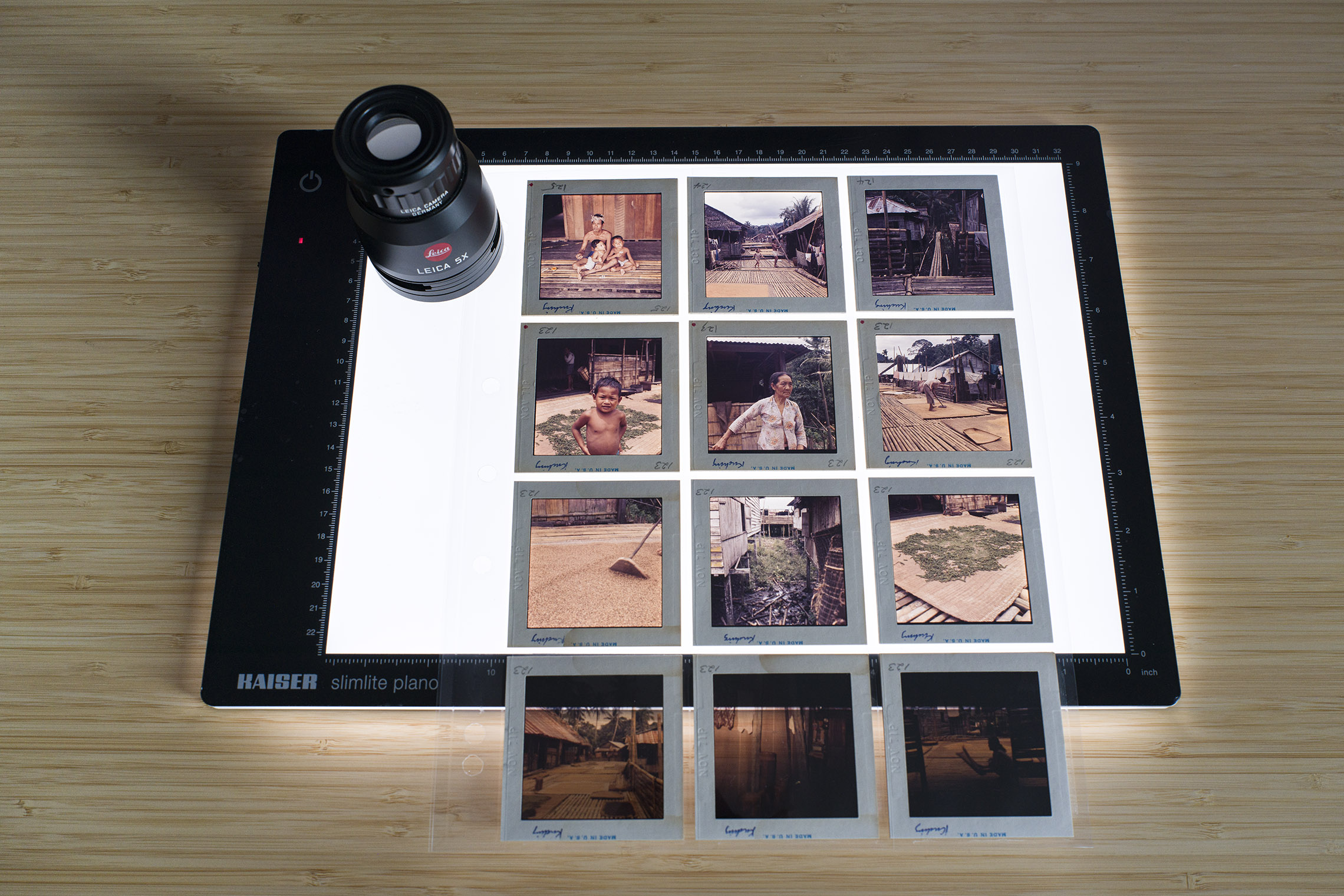 |
| Viewing the slides |
In the end, we scanned almost 99 percent of the collection – something very unusual for An American Story.
Fortunately, the photographer had left us one invaluable clue. All of the slide mounts were annotated with the city or country where the photograph had been taken. These handwritten notes allowed us to begin reconstructing his journey.
Dates printed on the mounts suggest that most of the photographs were made over a relatively short period in the early 1970s. The slides take us through Afghanistan, Iran, India, Pakistan, Hong Kong, Indonesia, Malaysia, Nepal, Singapore, Thailand, Turkey and Taiwan.
The physical condition of the slides presented another challenge. Unlike Kodachrome, Ektachrome can suffer significant color shifts as it ages. Some photos required careful correction to bring their colors closer to what the original transparencies may once have looked like.
After weeks of scanning, cataloguing, identifying locations and working on the images, we can finally begin sharing them.
The photographs presented here are not necessarily a selection of the “best” images. Instead, we have tried to show the breadth of this unknown photographer’s eye – the people, places, architecture and fragments of everyday life that caught his attention as he travelled.
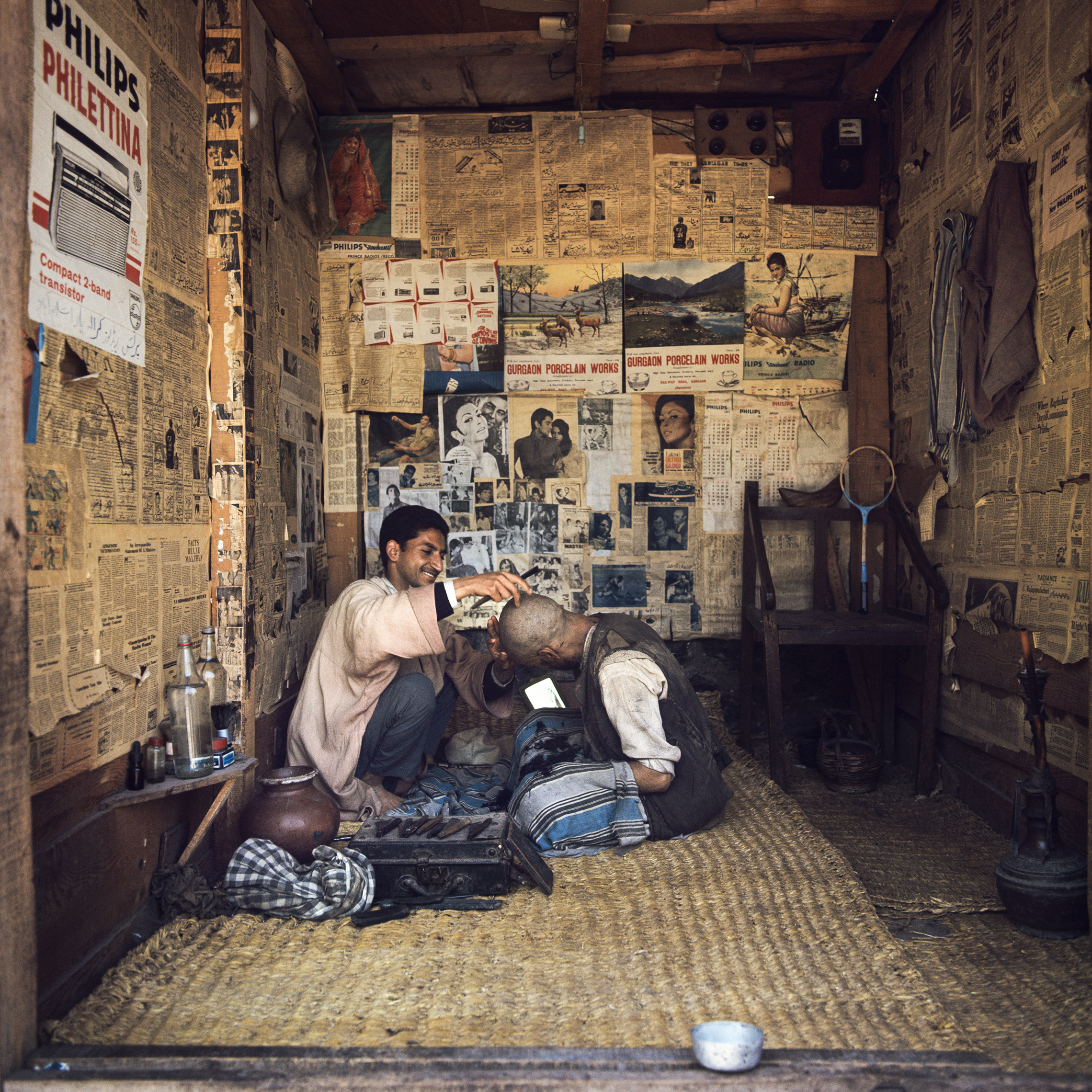 |
| Kashmir, India |
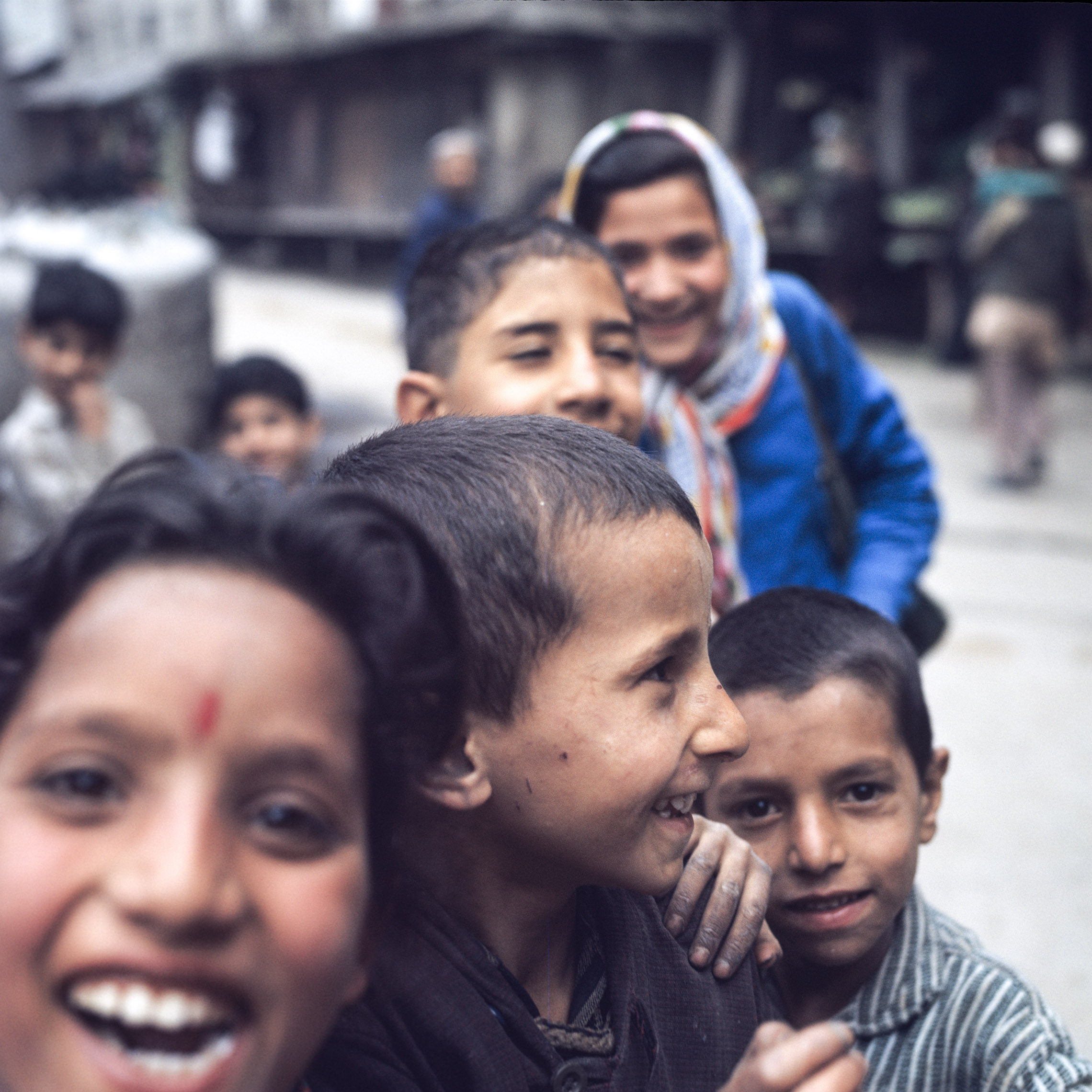 |
| Kashmir, India |
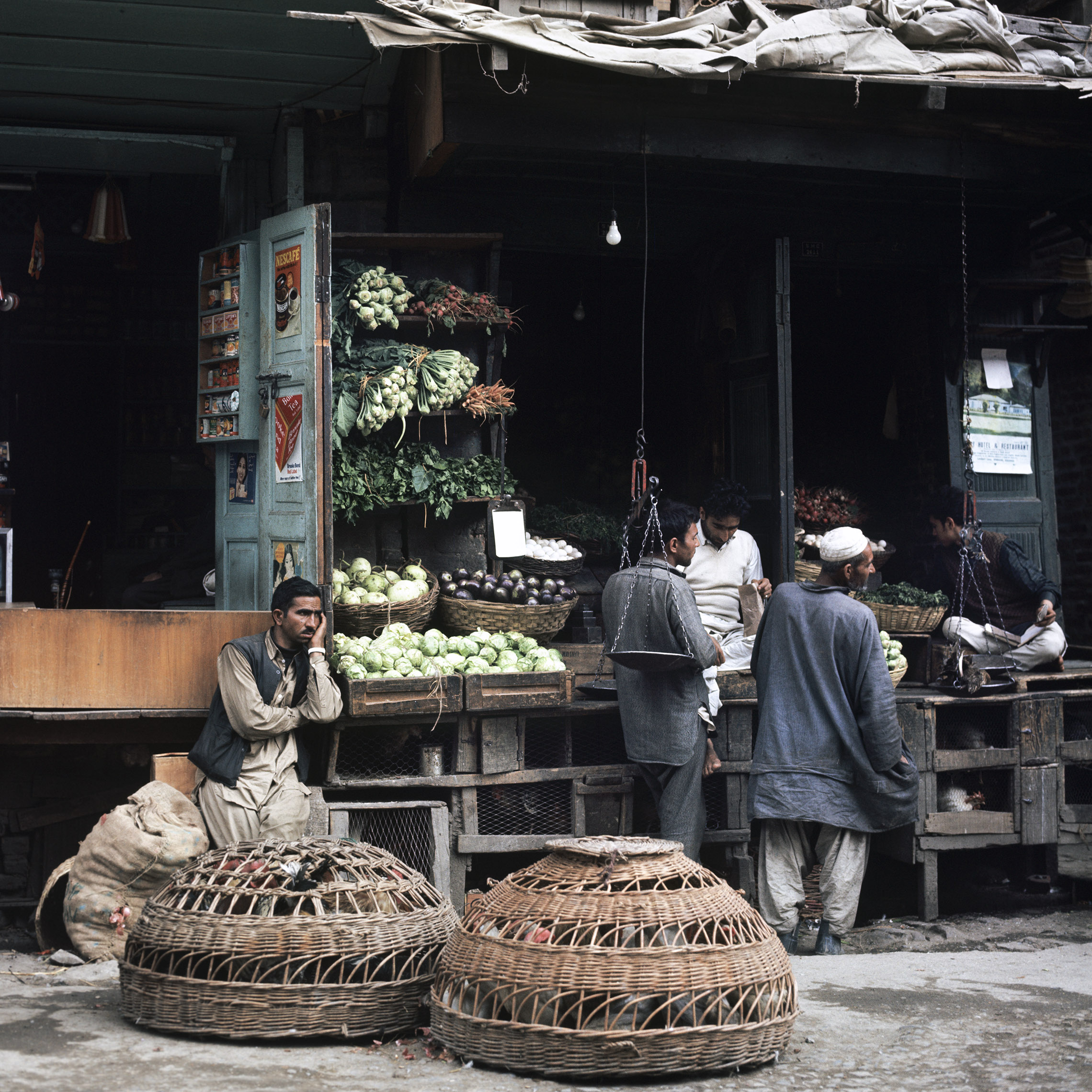 |
| Kashmir, India |
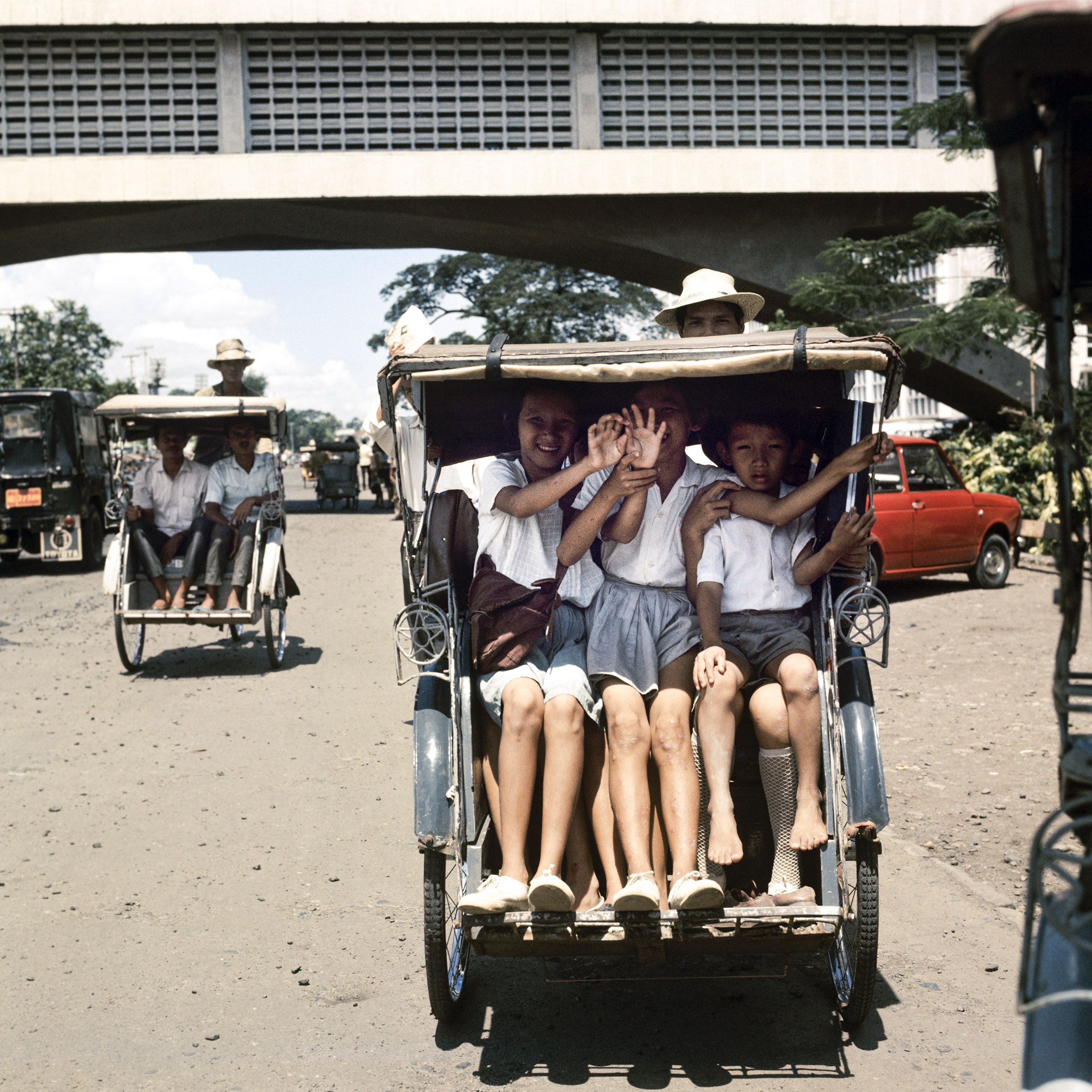 |
| Jakarta, Indonesia |
 |
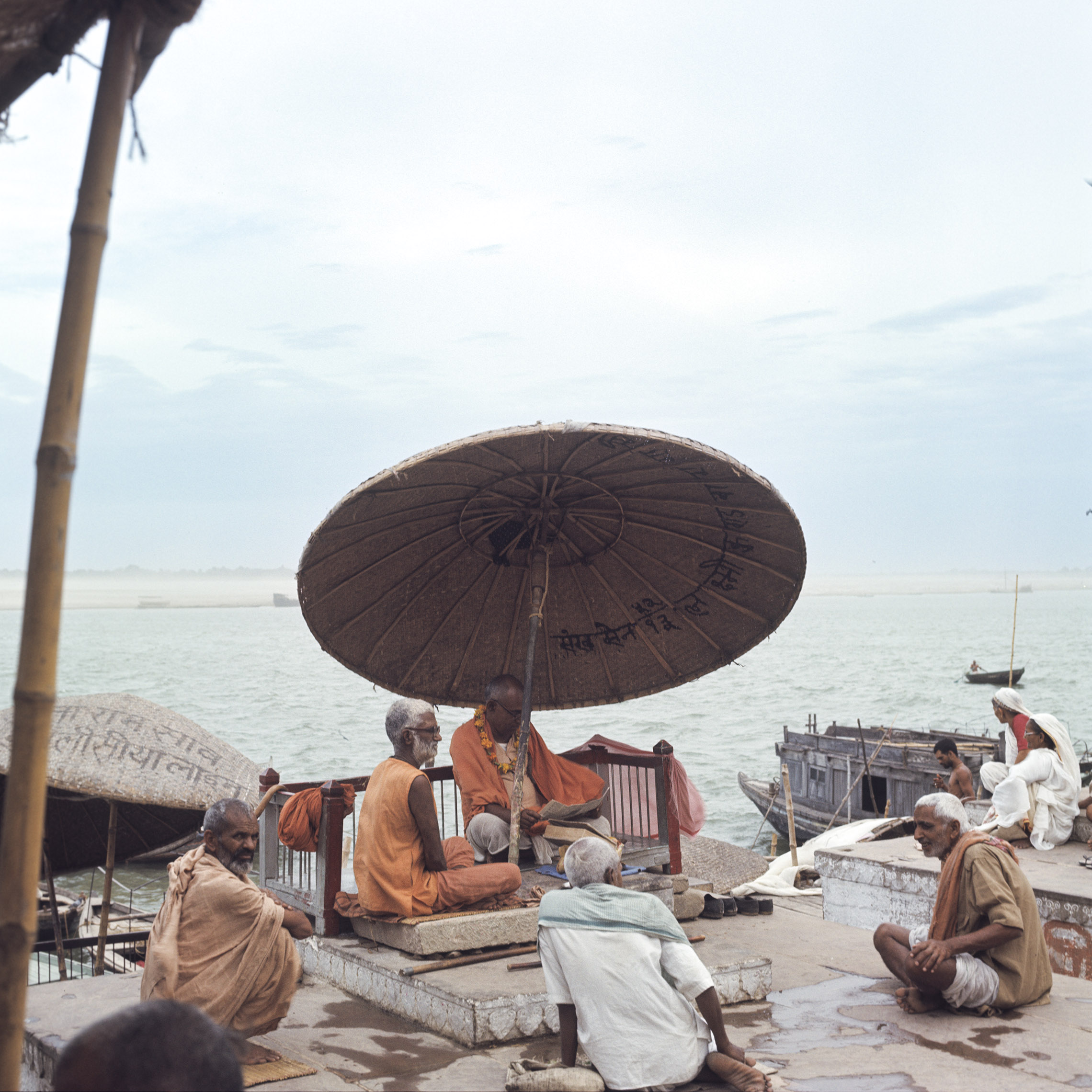 |
| India | India |
Meeting the Unknown Photographer
Something unexpected happens when you spend weeks looking through hundreds of photographs made by the same person.
You begin to feel that you know something about them.
Not their name, profession or biography, but their sensibility.
We began to recognize what attracted his attention: faces, gestures, symmetry, architecture, markets, children, quiet moments in the street. He could step back and construct a carefully balanced architectural composition, then move remarkably close to a stranger for a portrait.
Through his photographs, a personality slowly seemed to emerge—but the photographer himself remained invisible.
As we worked our way through the collection, we kept hoping that somewhere among the slides we might find him. Perhaps someone else had taken his picture. Perhaps there would be a portrait in a hotel room, at an airport, or beside one of the places he had photographed.
Nothing.
Then, near the end of the collection, we found it.
In Kuala Lumpur, he had photographed a street drink cart. At first glance, it is another carefully composed observation of everyday life: kettles, glasses, containers and the large sign behind the vendor’s cart.
And then we noticed the reflection.
There, almost hidden in the mirror at the center of the photograph, was the photographer himself.
For the first time, after hundreds of photographs, the person who had been looking at the world suddenly appeared on the other side of the camera.
It felt like our own small Vivian Maier moment: the unexpected encounter with an unknown photographer through a reflection he had left behind.
And the reflection revealed something else.
In his hands was the unmistakable shape of a Hasselblad V-system camera.
We still didn’t have his name.
But now, finally, we could see the man behind the photographs – and the camera through which he had seen the world.
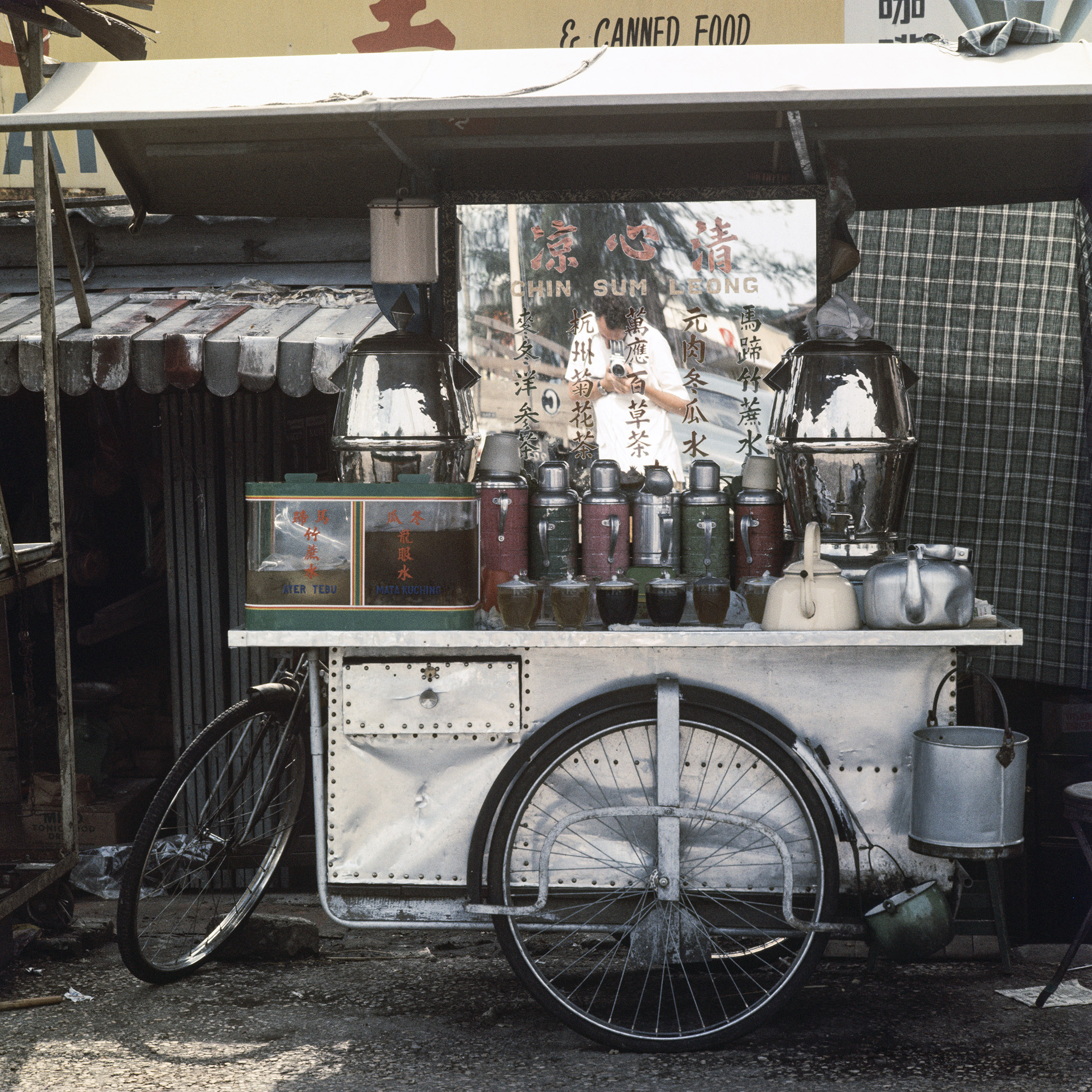 |
| The unknown photographer, Kuala Lumpur, Malaysia |
Hasselblad in the Streets
Knowing that these photographs were made with a Hasselblad makes the collection even more remarkable.
The Hasselblad V system is best known for the extraordinary image quality of its square 6×6 format. But it is not an obvious street camera. Compared with the 35mm cameras commonly used by travelling photographers, a Hasselblad is larger, heavier and slower to operate. A standard film back provides only twelve exposures before the film must be changed.
Yet this photographer carried one across countries, cities, markets, temples and streets.
He also chose to work in color transparency film, all Ektachrome. That decision made the process still less forgiving. Slide film offered relatively little exposure latitude: highlights could easily be lost, shadows could become dense.
Accurate exposure mattered at the moment the shutter was released.
What is certain is that the photos show a photographer comfortable working quickly and confidently with demanding equipment.
And many of his subjects were not waiting for him.
Children lean toward the camera. Men sit in markets and along streets. Vendors continue working. People glance toward him with curiosity. Elsewhere, he uses the square frame with remarkable precision to photograph buildings and patterns.
The photos suggest someone capable of moving between two very different photographic languages: the deliberate composition encouraged by medium format and the spontaneity of street photography.
That combination is perhaps what makes this collection so compelling.
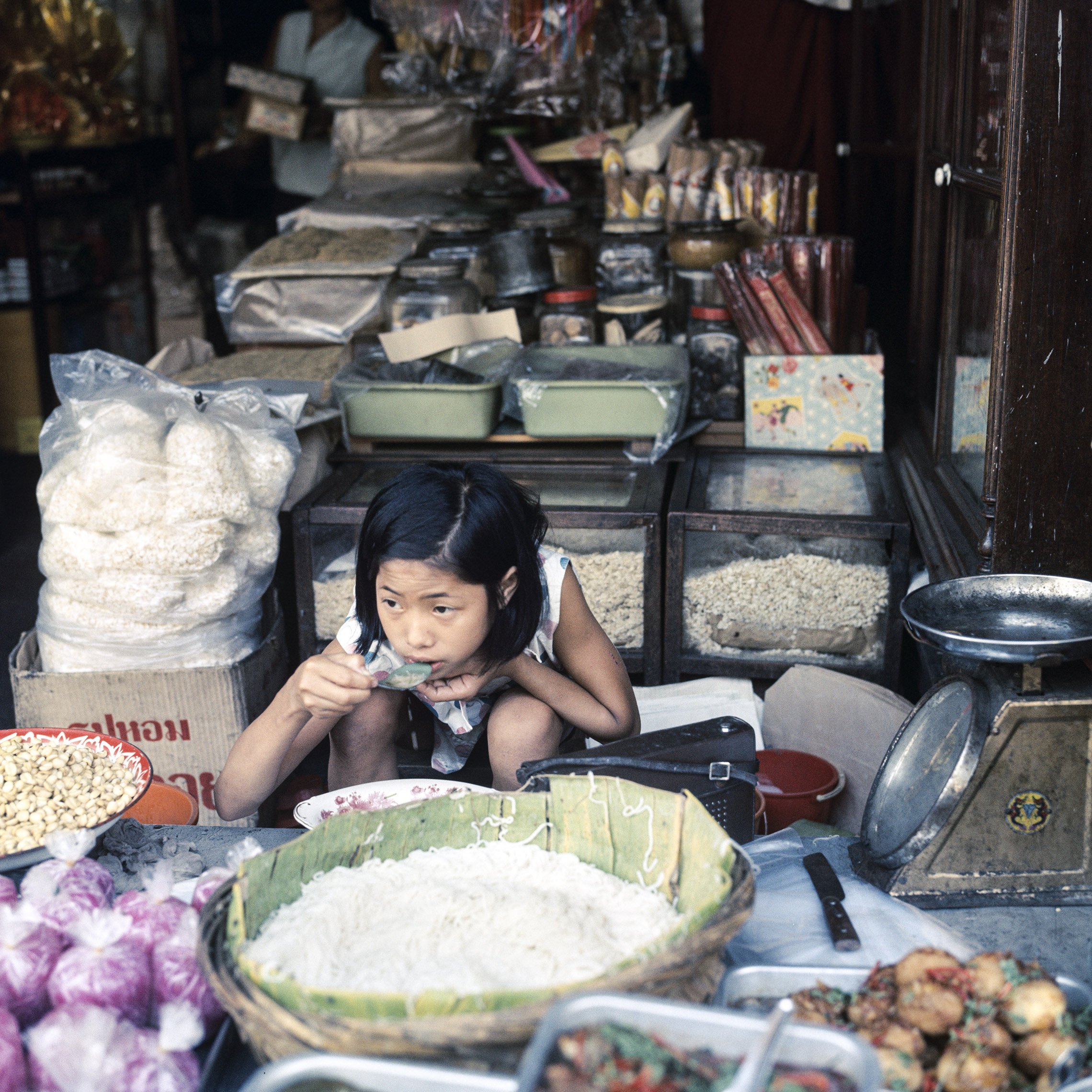 |
| Bangkok, Thailand |
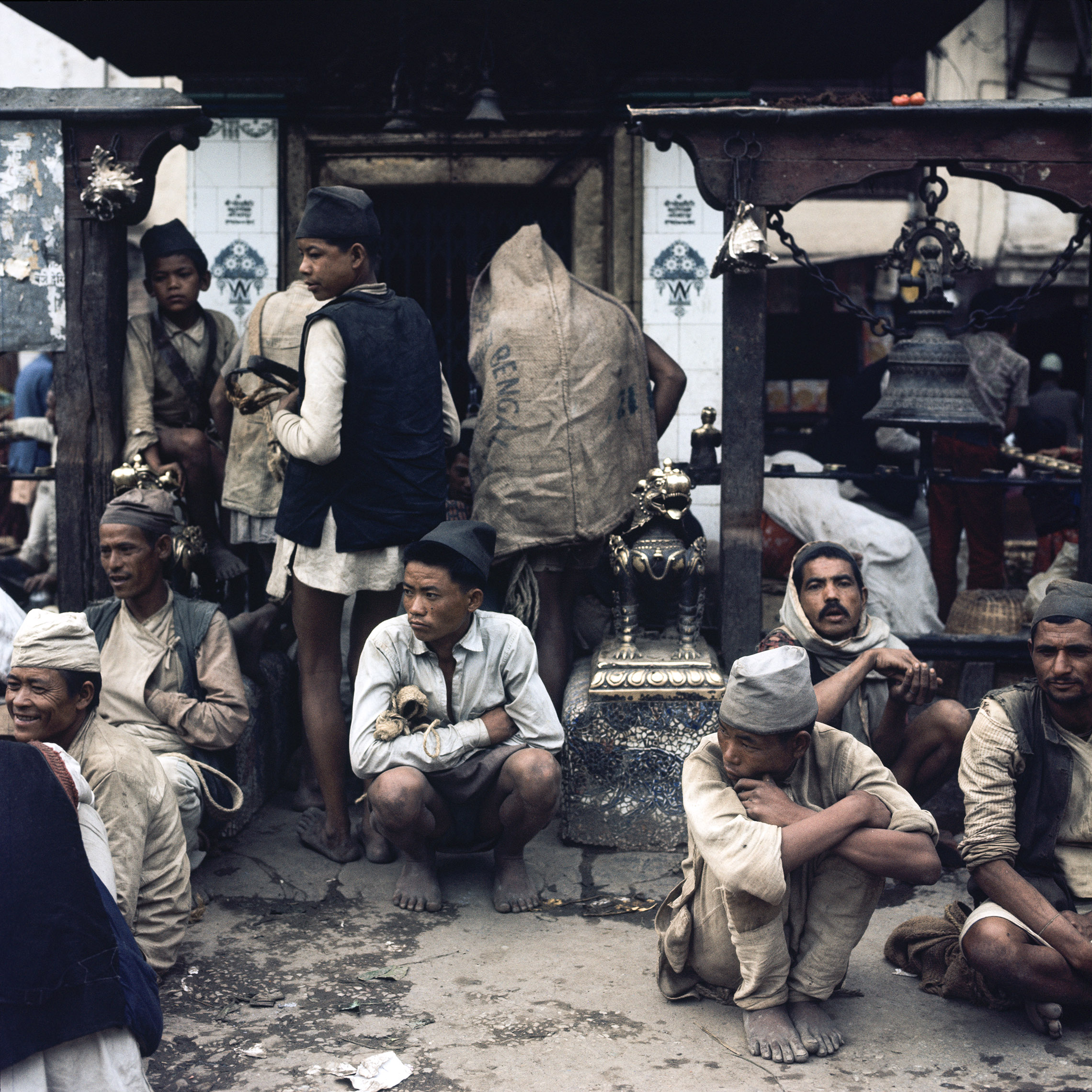 |
| Kathmandu, Nepal |
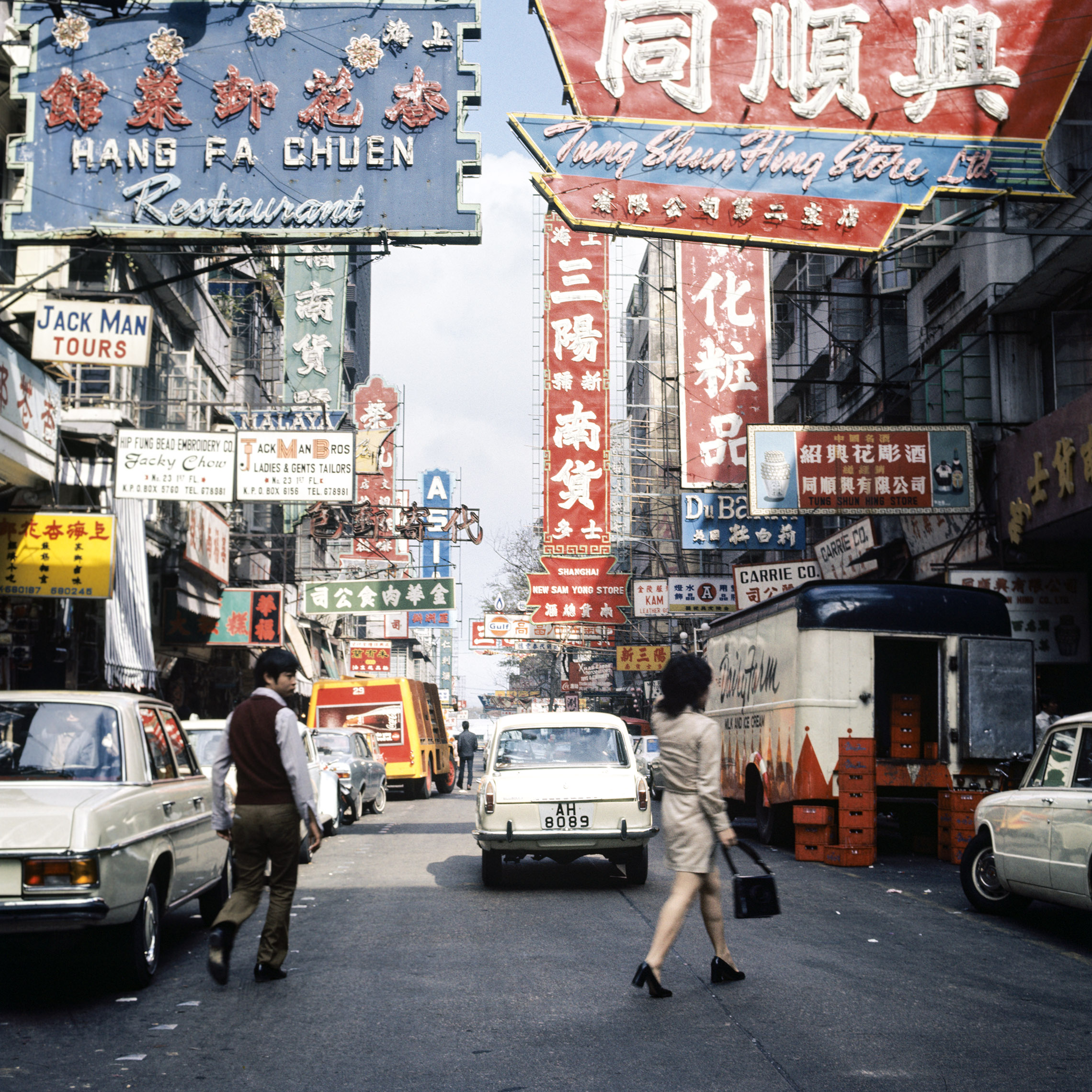 |
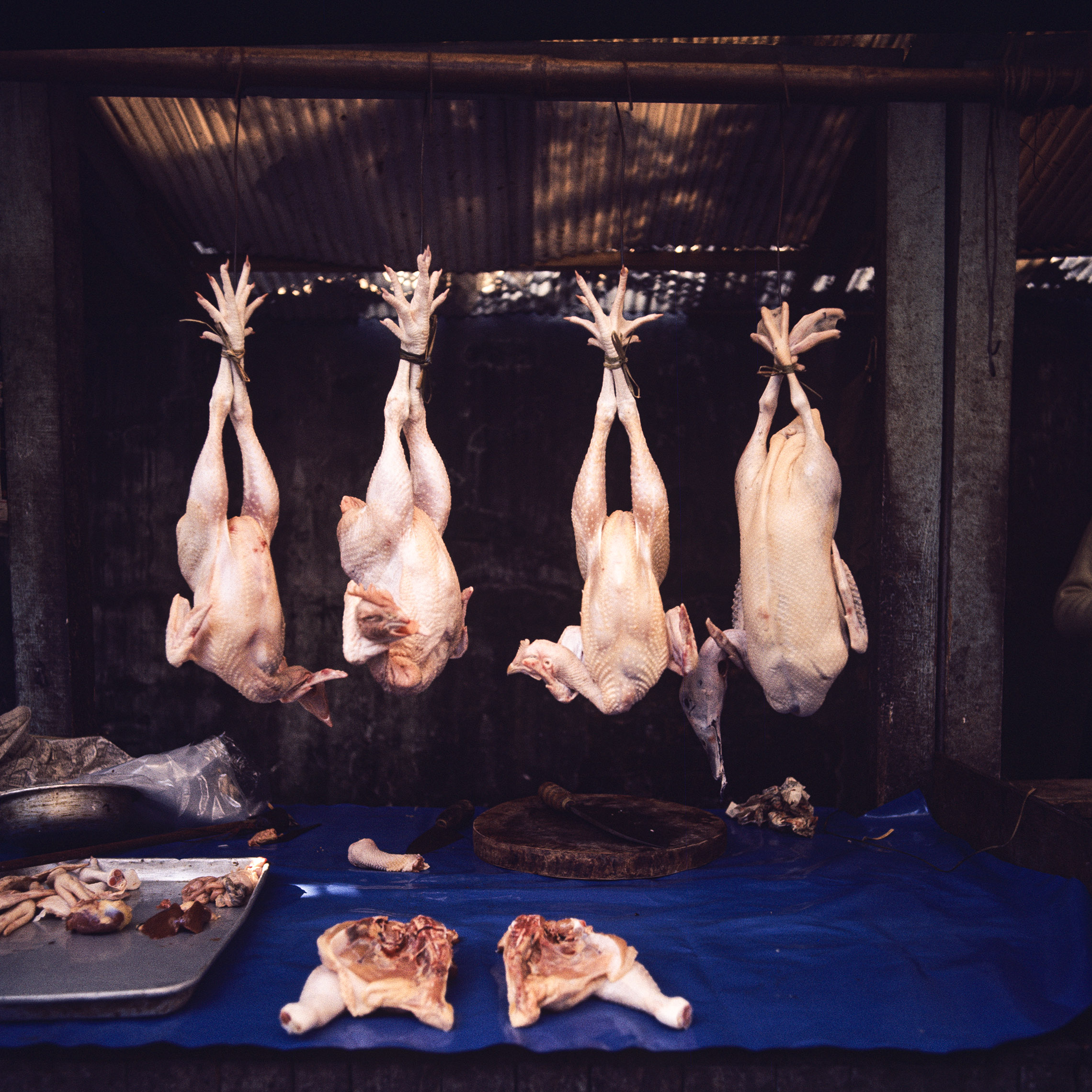 |
| Taipei, Taiwan | Taipei, Taiwan |
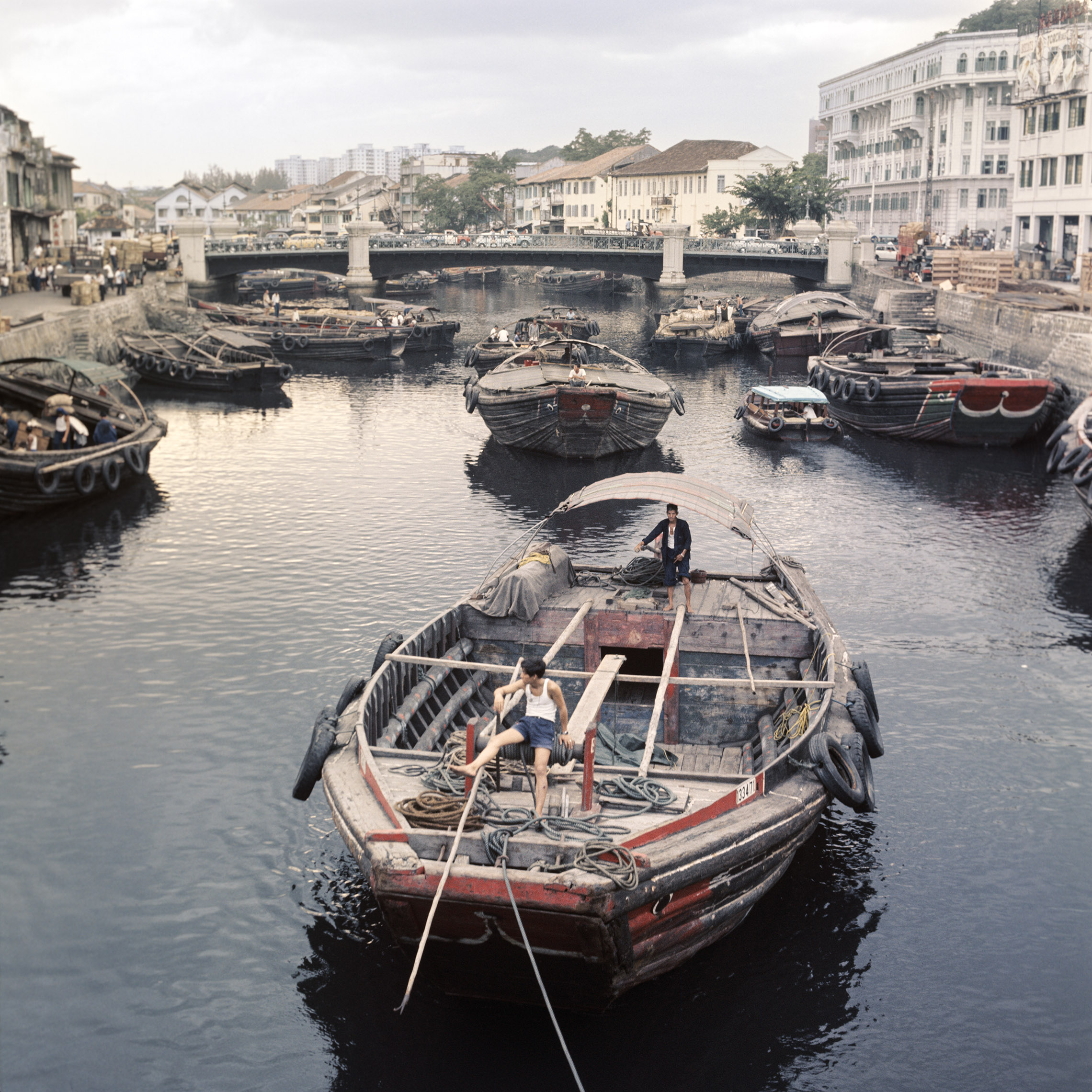 |
| Singapore |
 |
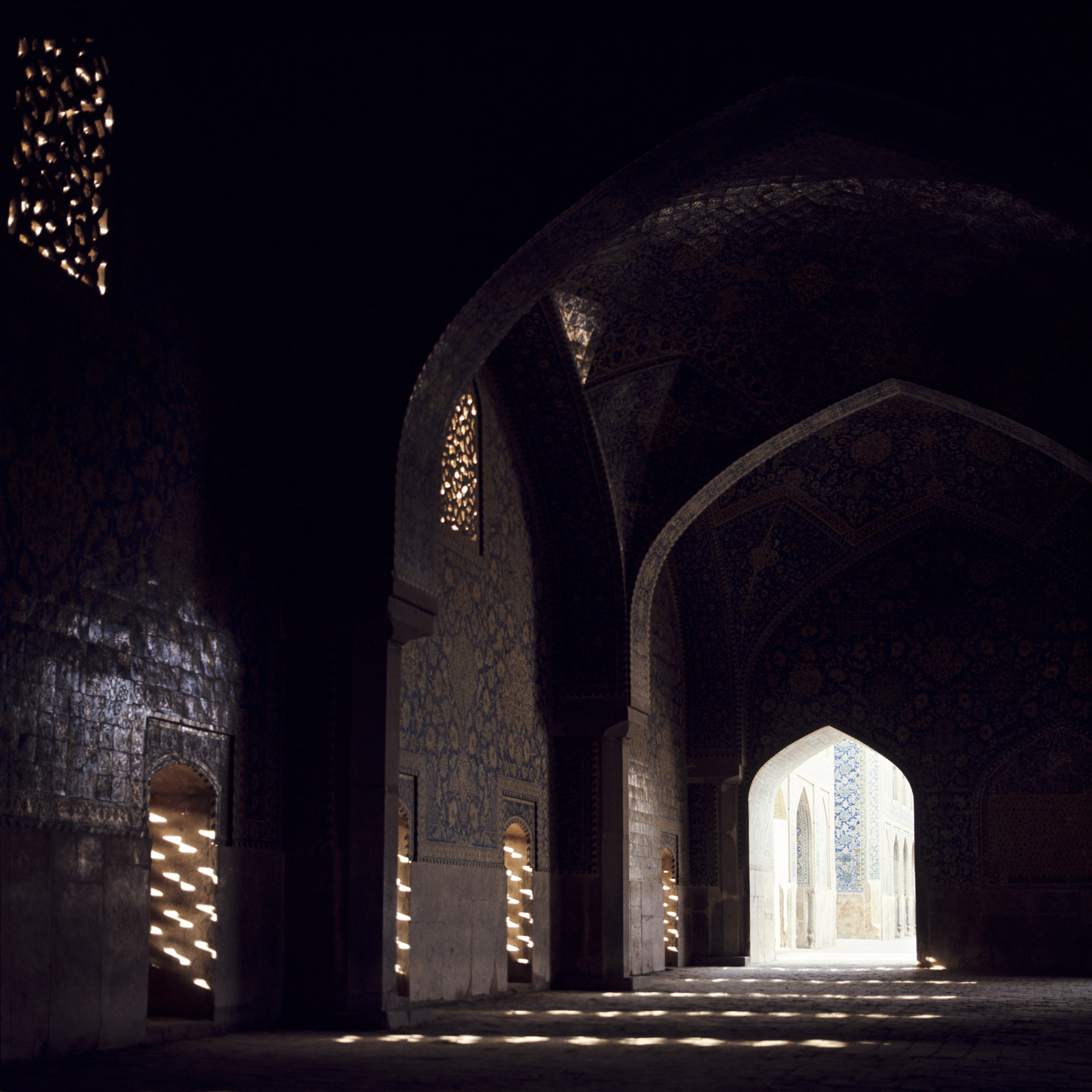 |
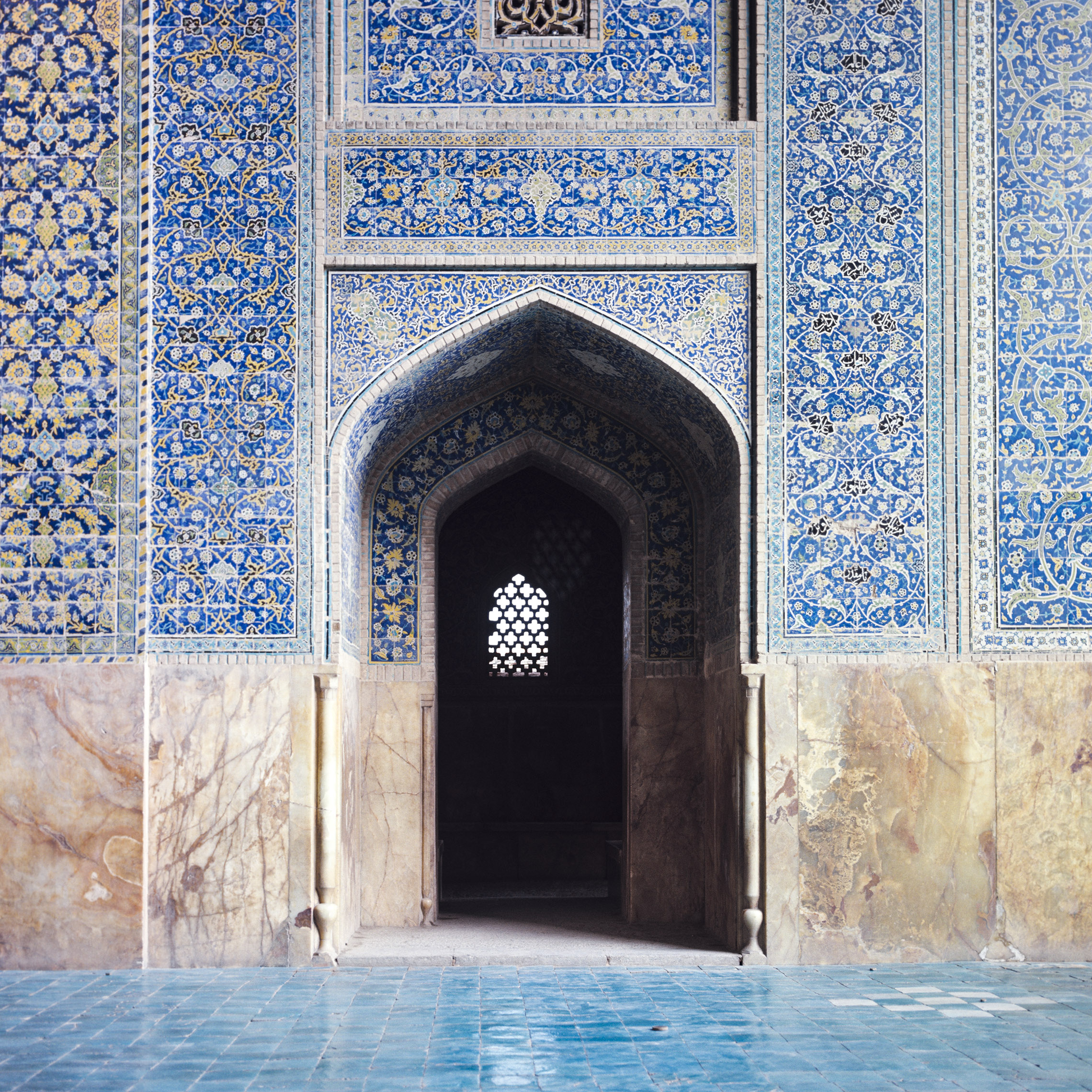
| Isfahan, Iran | Isfahan, Iran |
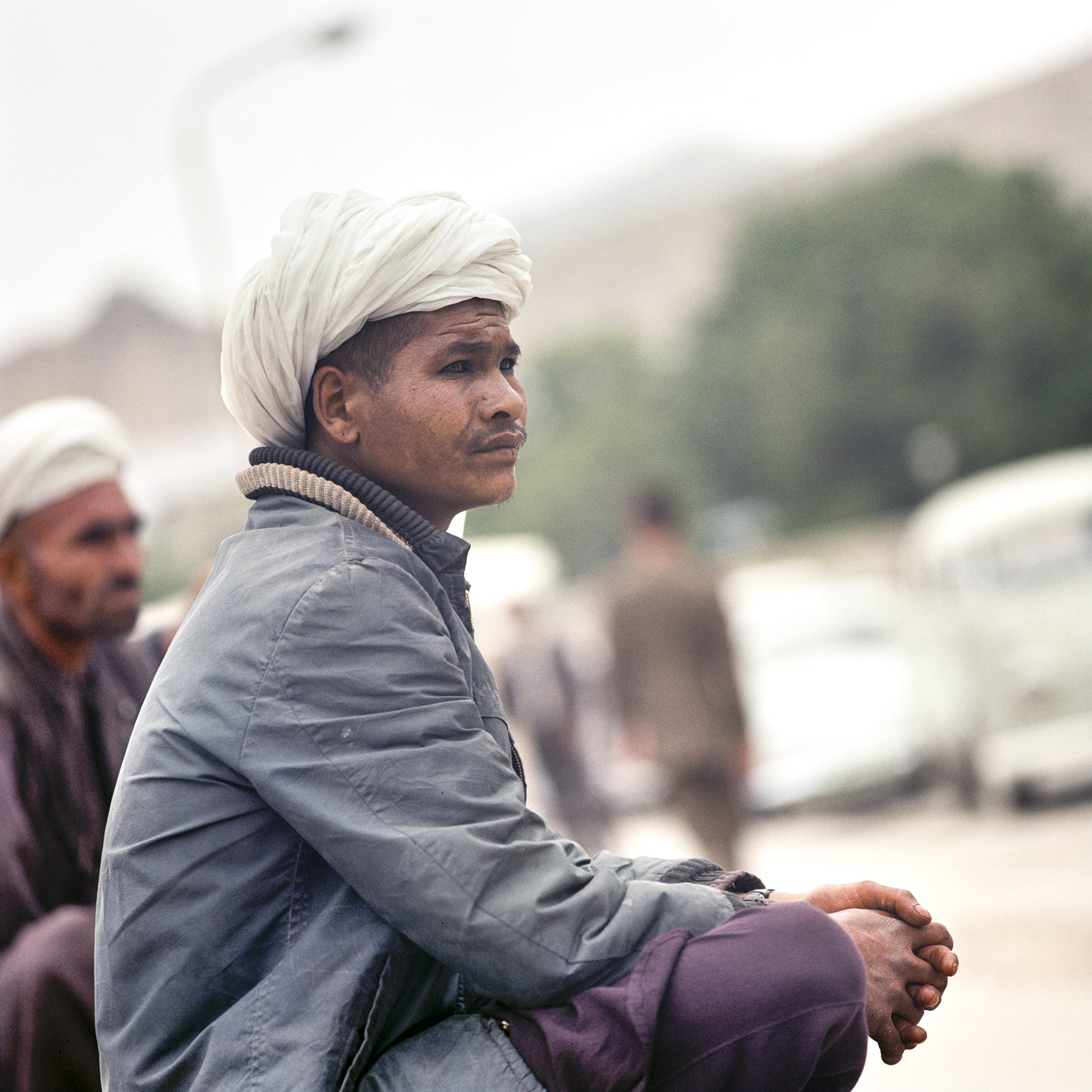 |
| Kabul, Afghanistan |
 |
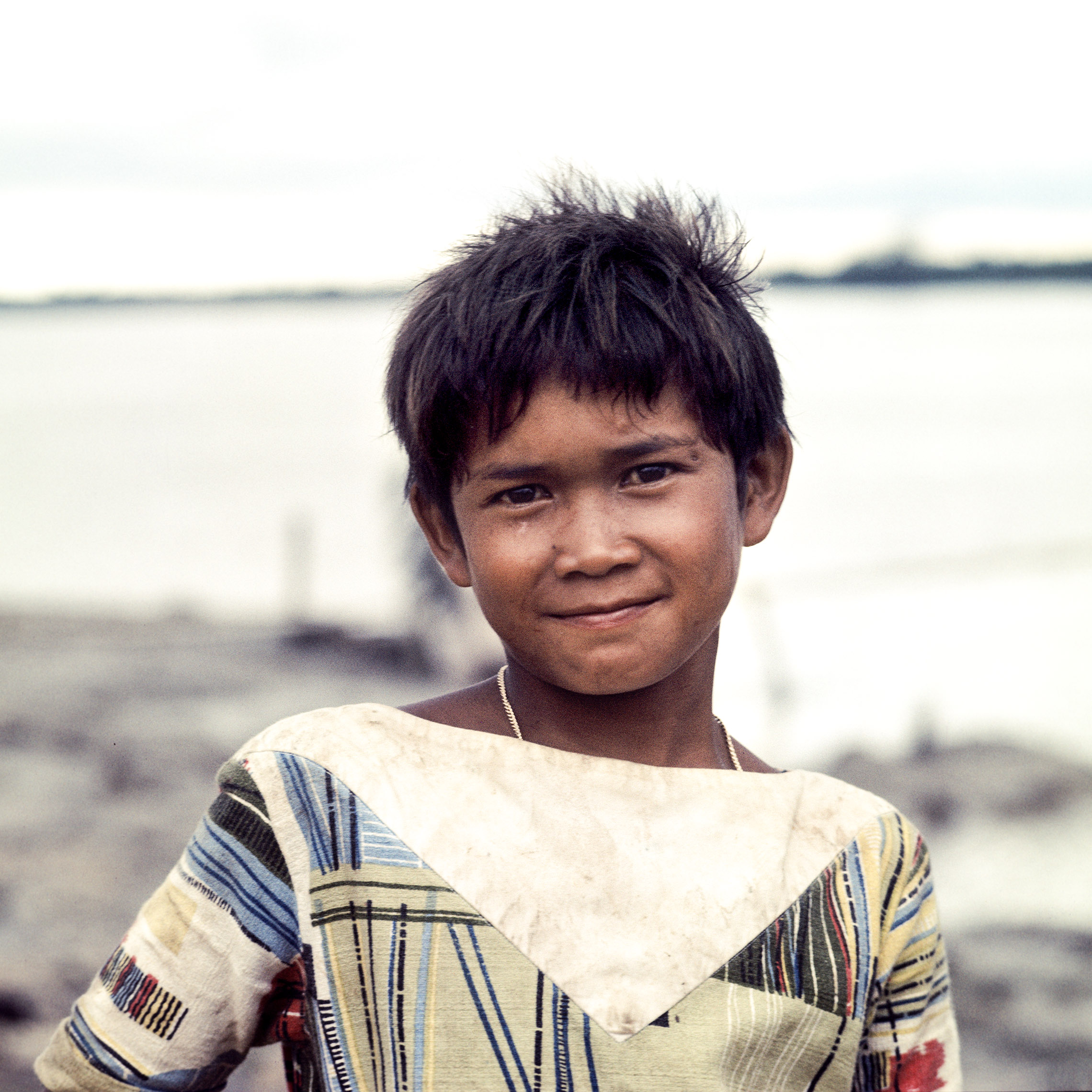 |
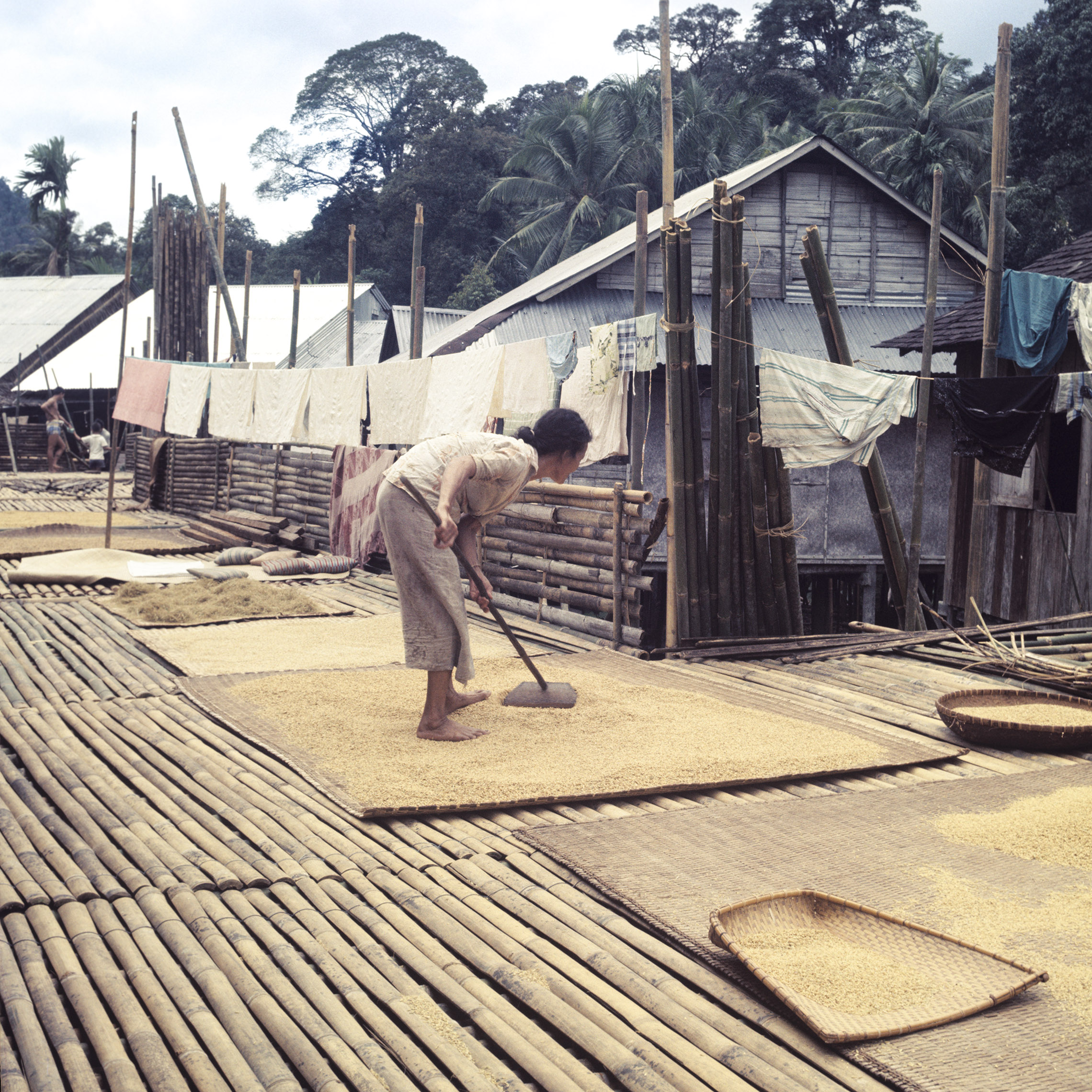
| Kuching, Malaysia | Kuching, Malaysia |
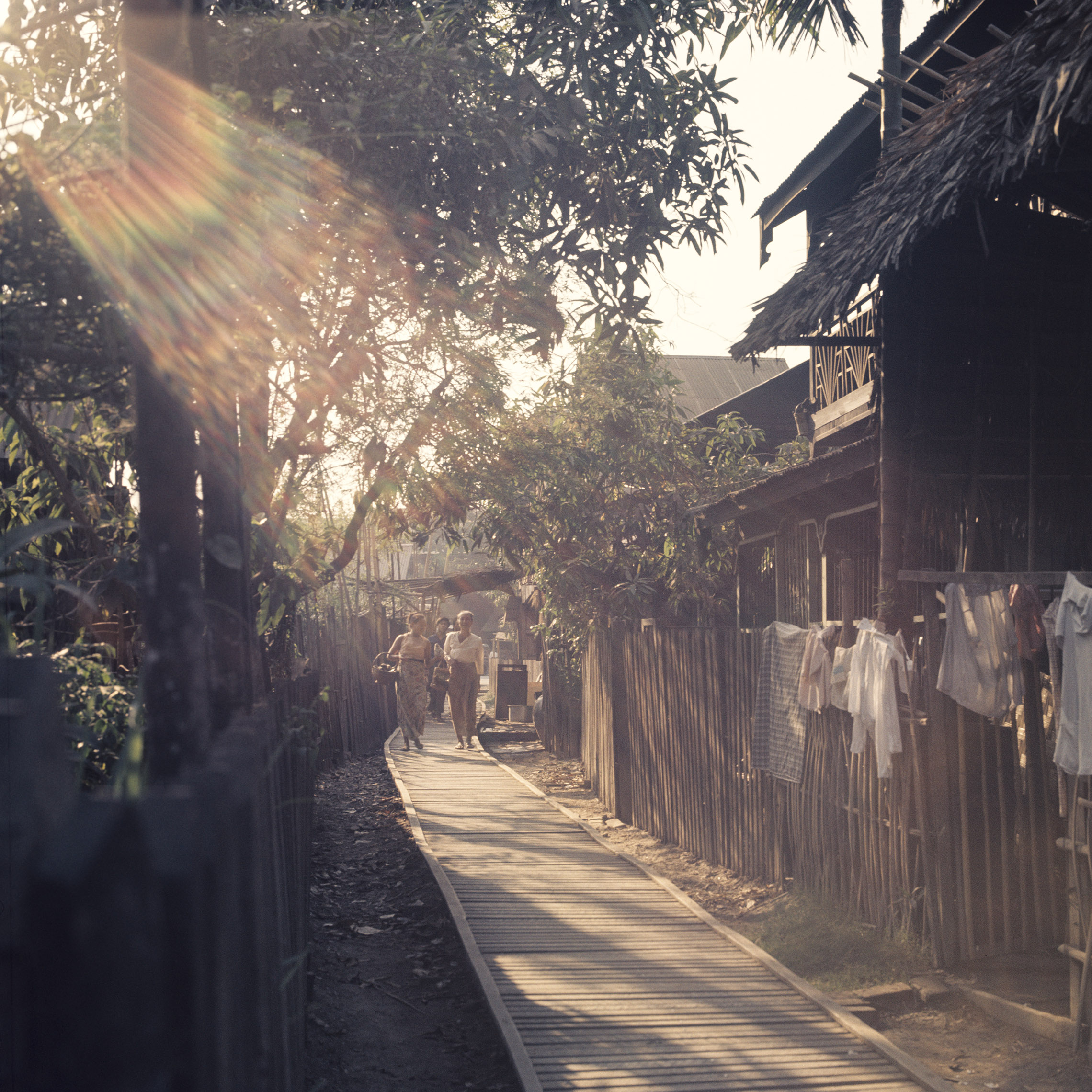 |
| Yangon, Myanmar (Burma) |
 |
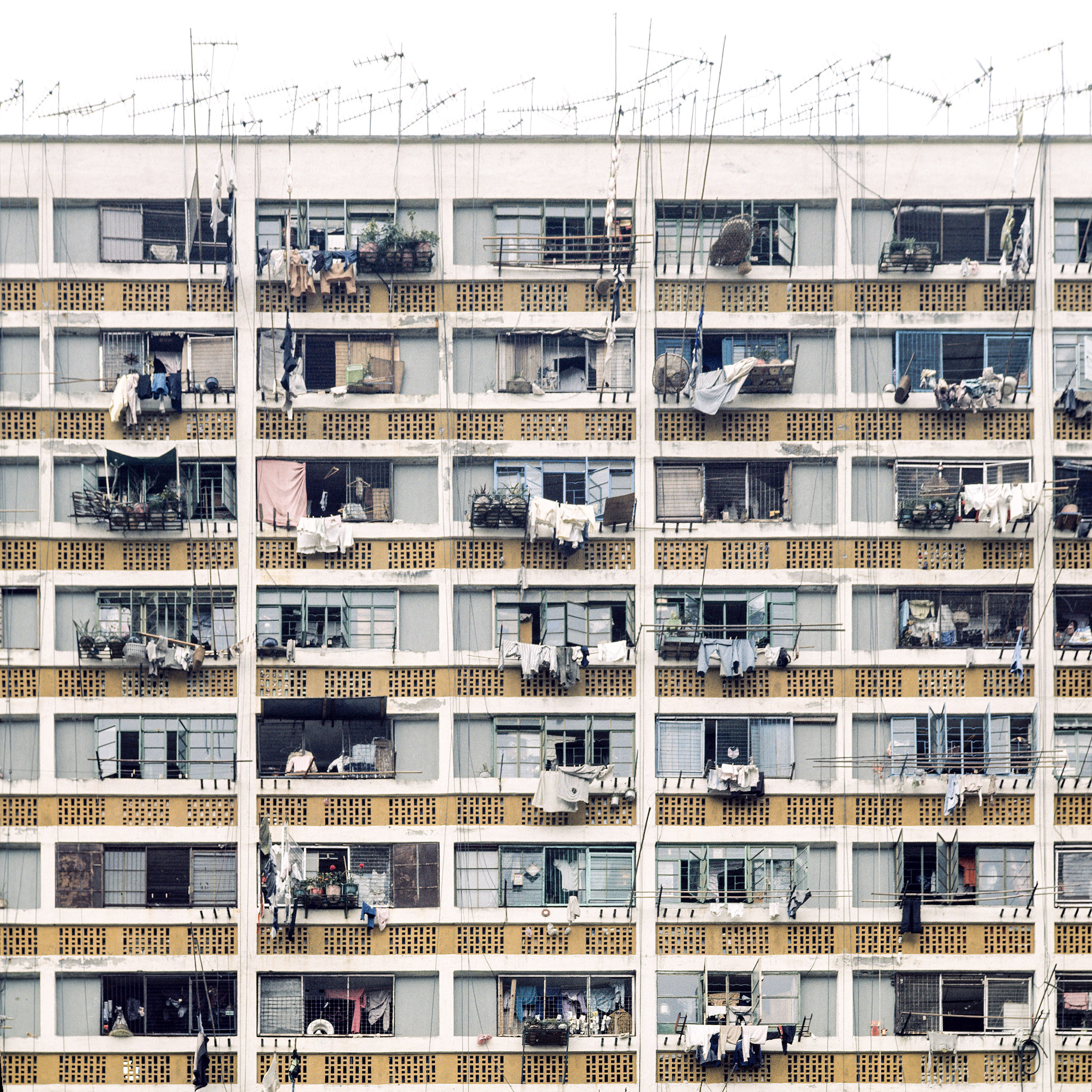 |
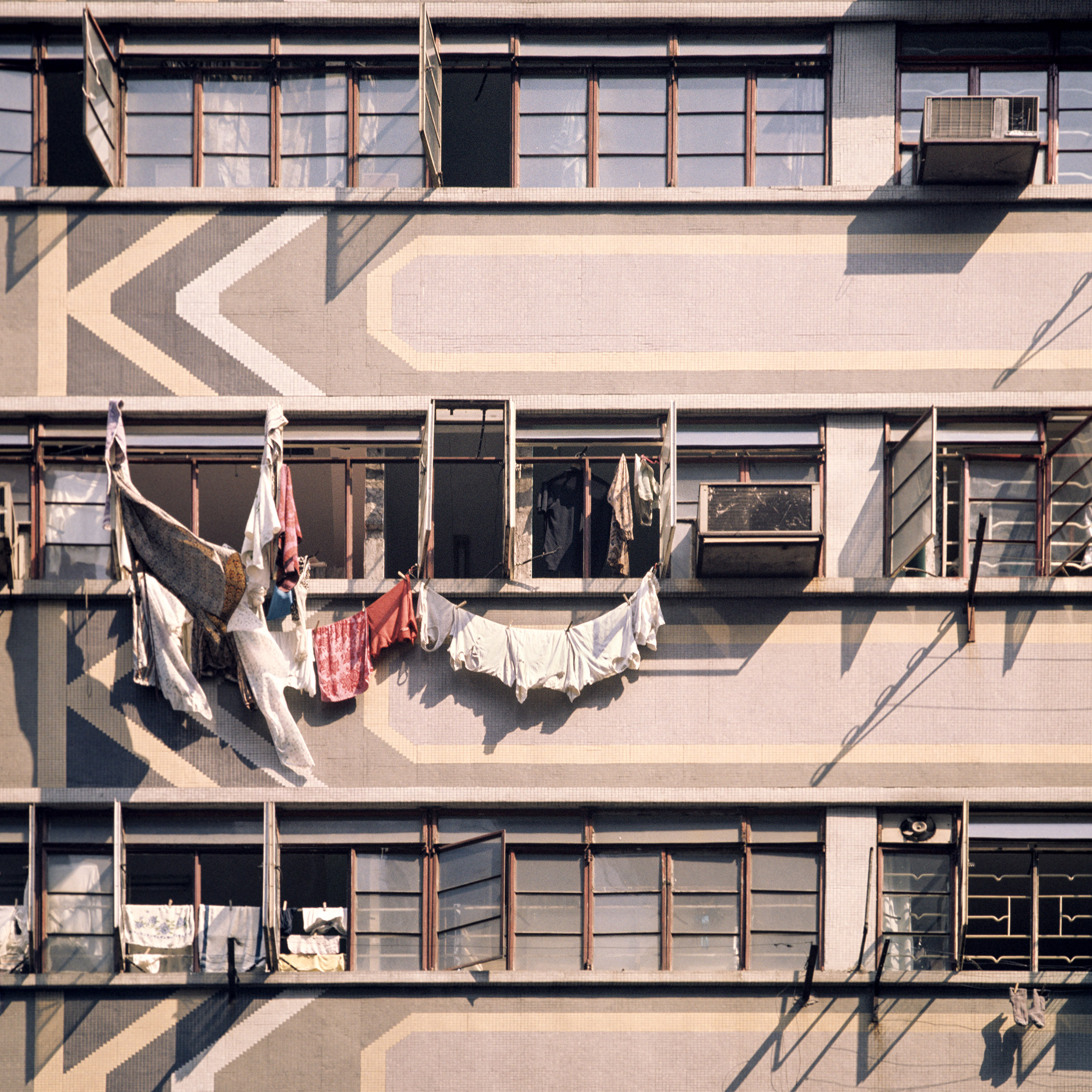
| Hong Kong | Hong Kong |
What we still don’t know
Hundreds of photographs later, the central mystery remains.
Who was he?
Why was he travelling through so many countries in such a short period? Was photography his profession, or simply a serious passion? Was he travelling for work? For an organization? On assignment? Or was this simply an unusually ambitious personal journey?
A Hasselblad was an expensive professional camera, and travelling extensively through Asia and the Middle East in the early 1970s with hundreds of rolls of medium-format color film would itself have required considerable resources and commitment.
Yet there are no credits, and no name attached to the archive we acquired.
Perhaps these photographs were once projected for friends and family after his return. Perhaps some were printed. Perhaps they were never shown beyond a small circle.
We may never know.
What we do know is that, more than fifty years later, these photos survived.
They travelled from Afghanistan to India, from Nepal to Malaysia, from the streets and markets of Asia to boxes of forgotten slide – and eventually to us, An American Story.
For the moment, their author remains simply:
Photographer Unknown.
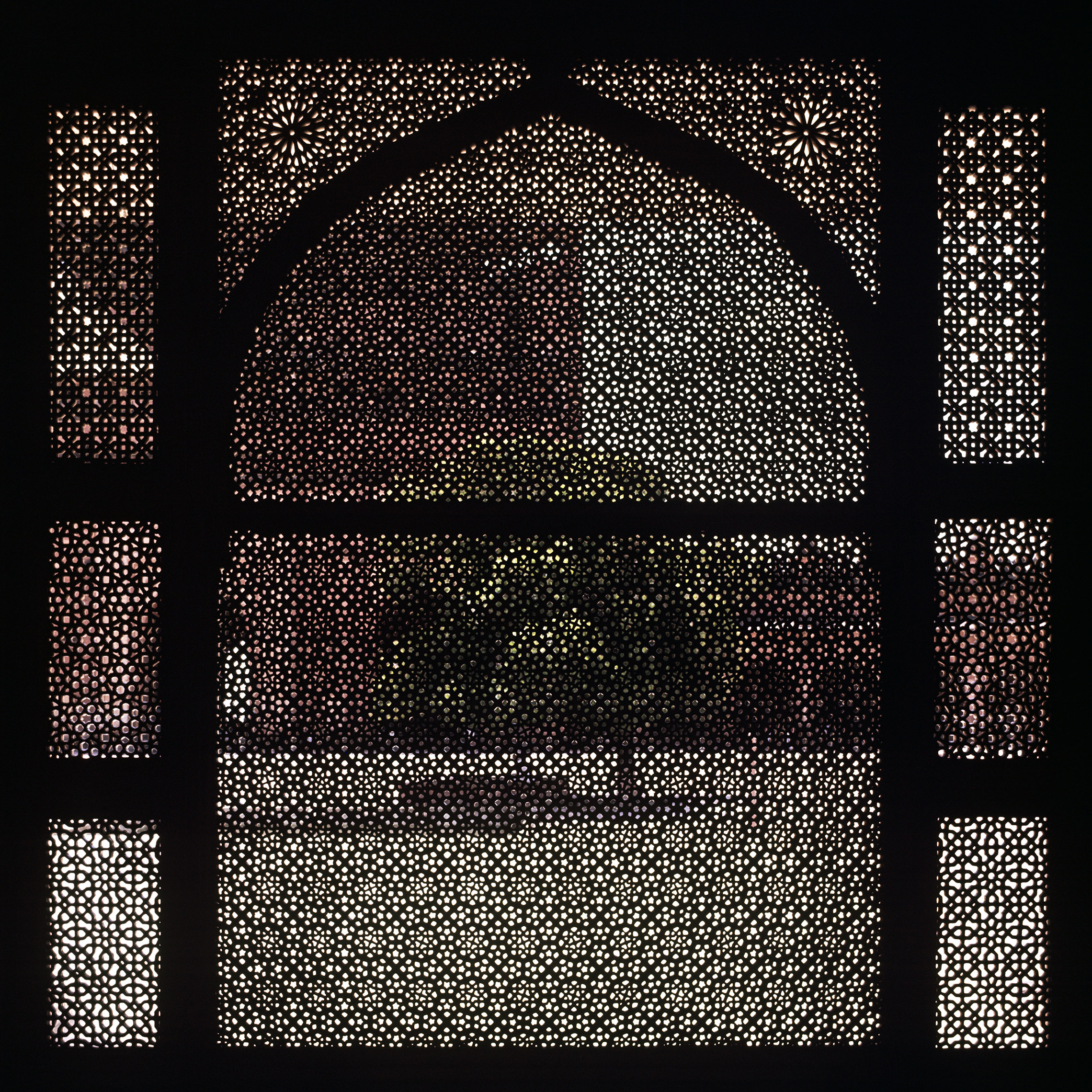 |
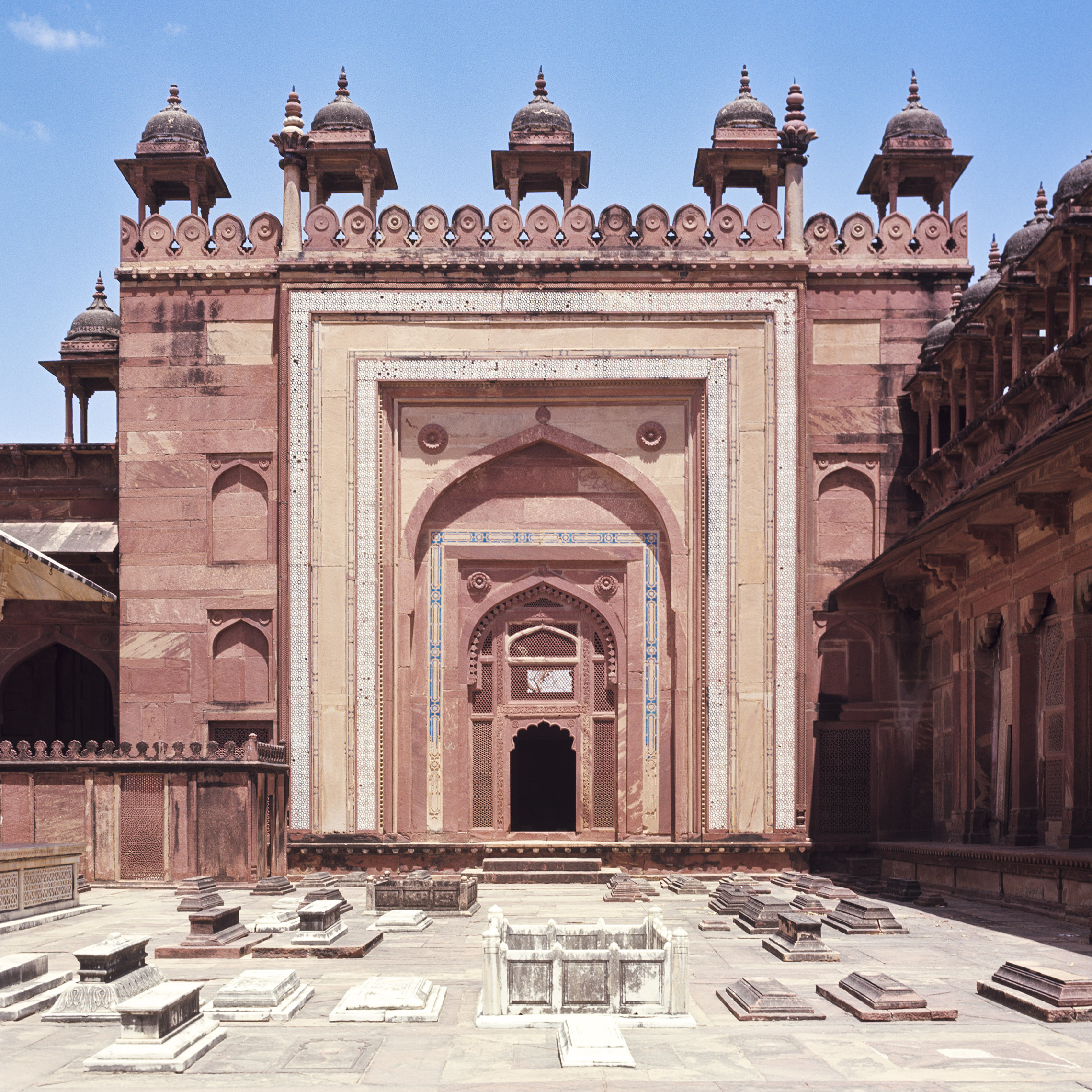
| Agra, India |
Keeping the Story Alive
We’d love to hear what you think about this collection! Please leave your comments below.
If you have any information about this photographer or his story, please contact us directly.
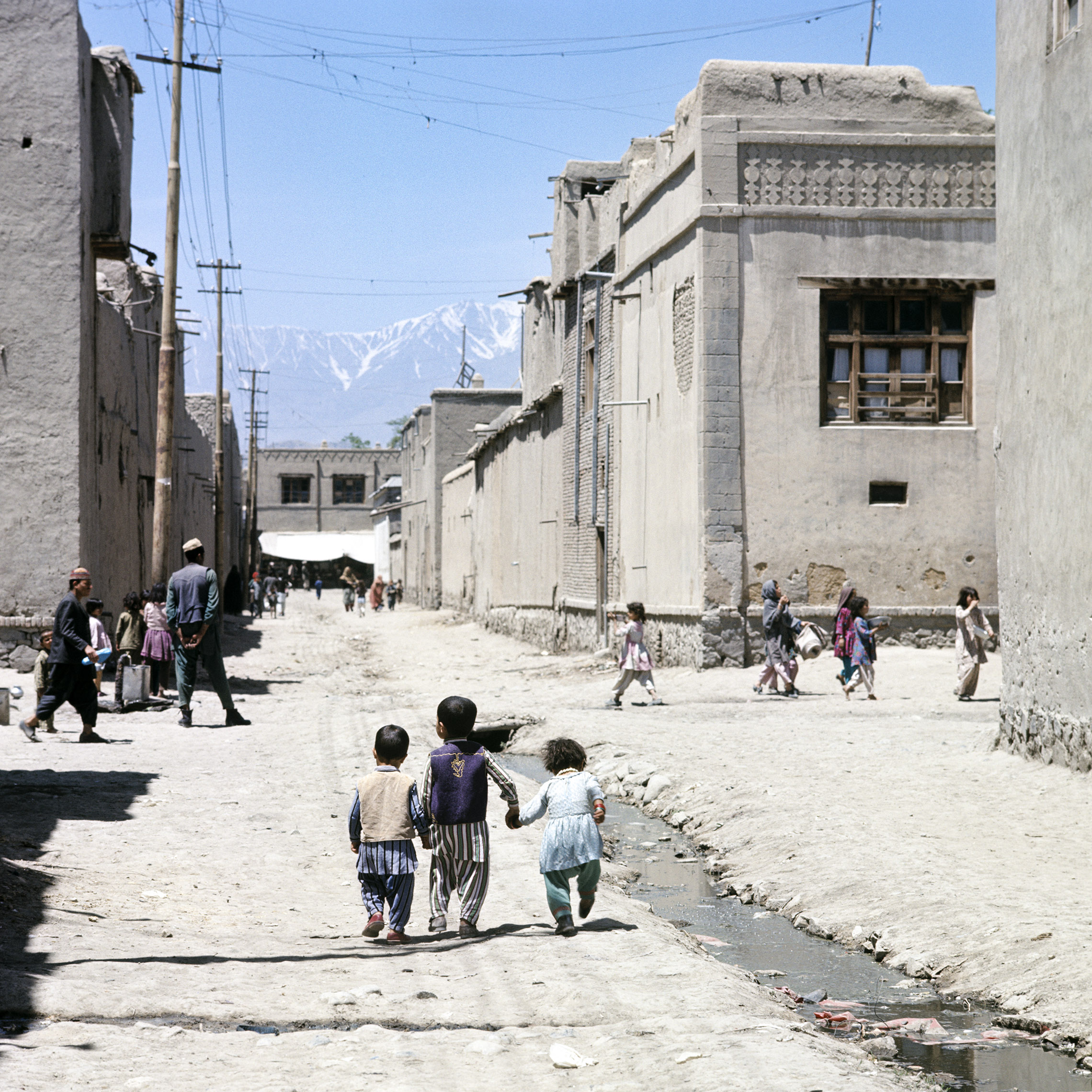 |
| Kabul, Afghanistan |